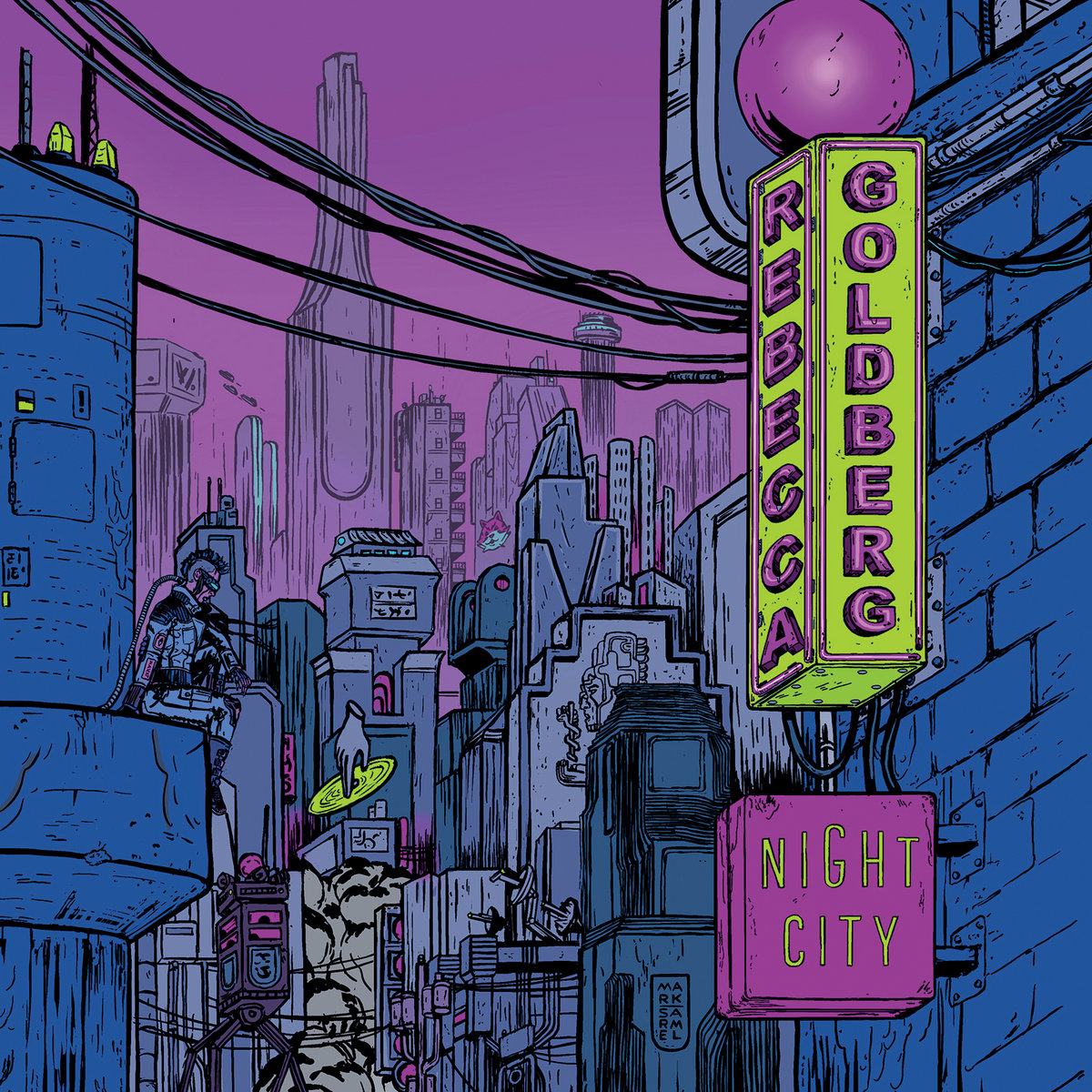
Detroit Underground artist and collective member Rebecca Goldberg talks us through her debut LP ‘Night City
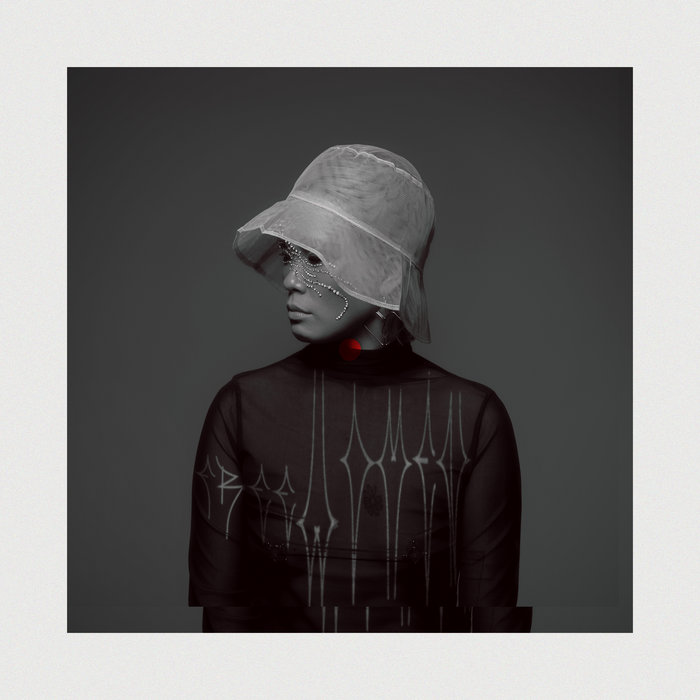
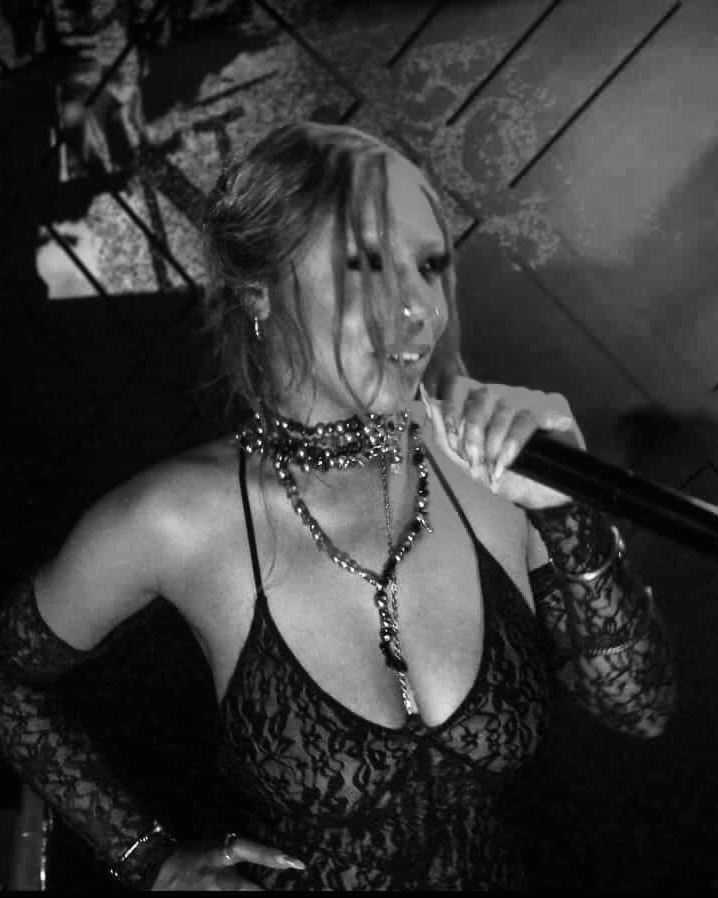
Rebecca Goldberg is a producer, live performer, DJ and graphic designer from Detroit. Since her debut EP, 313 Acid Queen, she has been a regular fixture and participant with the renowned multidisciplinary arts collective, Detroit Underground.
Having released both high-quality music along with multimedia projects since making her debut with them back in 2017, she likes to surf the sonic waves from everything between acid techno to experimental music – all firmly rooted in the Detroit tradition, which she wears proudly in everything she does. What Goldberg likes to take from her hometown is the blending of raw human activity and nature, between the ruins of a once an industrial metropolis, and the green that has since reclaimed it.
A seasoned radio DJ having mixed for FM and internet-radio shows around the globe. She’s played at notable events from Detroit’s seminal Movement Festival to Berghain in Berlin, having gone on to tour more recently as a DJ and live performer. With the release of her latest album ‘Night City’, a full 12-track double LP that captures the evolution of her sound over years of practice, travel, collaboration and mentorship. She draws on a rich lineage, citing influences ranging from dystopian cityscapes and futurism, to space exploration and the possibilities of technology. All of which have come together in this high-octane, genre-spanning collection of machine powered music. Featuring collaborations with Jnn Aprl (recorded in Seoul), Detroit techno artist Tiptonaires, it was pressed near to home at the infamous Archer Record Pressing Co.
When did your love affair with Electronic music first start?
When I was young and dance music was on the radio, that was really the most formative for me. Playing video games and diving into their soundtracks also had an impact. Electronic music was definitely mainstream in the 80s and 90s, so if you get technical about music made with electronic instruments, it’s always been in my life.
What was the first record that caught your ears that you had to own?
My favorite still to this day:
https://www.discogs.com/release/207308-Thomas-Barnett-Joshua-Harrison-Cherry-Bomb-Revolver
How did you discover the party scene?
I had friends who were involved in festish events in Detroit like the Erotica Ball and other alternative nights. At the time I was also designing flyers for Bruce Bailey and started getting involved in house music parties that way. So when I started DJing, I was crossing over into various parts of the scene and the dots started to connect from there.
Who did you get to hear play in the early days that had a big impact on you?
I was out dancing to Jenny LaFemme, Erika, Monty Luke, Kenneth Thomas, Sherif and Yos and whoever was touring and stopping in Detroit like Satoshi Tomiie and the Chemical Brothers. And of course, back to the radio, I was listening to Stacey Hotwaxx Hale, DJ Godfather, WaxTax-n Dre, Gary Chandler and Ryan Richards. There was no Shazam of course, so it was a bit of effort to find the music that they were playing and going from there.
Which club or event really made the biggest impression on you back then?
Dancing at Oslo in Detroit was top tier, I miss it a ton. Day parties at TV Lounge felt like endless days that turned into long fun nights. Pontiac, a suburb of Detroit, used to be more known for clubs so it was nice to go out there often. I also started going to Movement when it was DEMF in high school.
At what point did you decide to start DJing?
After years of collecting and obsessing over music, curating playlists and mix CDs, I was finally going out and listening to DJs and it seemed like something I could definitely jump into. After learning the more technical aspects of the equipment, my first proper gig came after that in 2011.
Which genre/s did you launch yourself into?
When I started out, I was playing fetish events and house music parties.
At this point in time, I’ve gone on to play techno at Berghain, as well as ambient music at afterhours parties and curated special events.
I am a music lover first and can truly play across the spectrum. Detroit radio DJs especially were known for mixing a variety of genres. I still love to play any kind of party as long as the feeling is right.
And when did you decide to start mixing on Radio shows?
Radio has always been important to me and is the way I initially connected with underground music. I have been fortunate to have a lot of my music played by independent radio stations and hosts as well. I support radio by participating in mix shows and supporting independent programming as much as possible.
How did your link with the Detroit Underground crew come about?
When I released my first EP, 313 Acid Queen, it was just digital tracks in a mixtape format. Kero contacted me about releasing it on DU, and offering to press it on vinyl. Easy to say yes!
What I love about working with Kero and Detroit Underground is that I have complete creative freedom with my work. A decade later, Detroit Underground is my home label. I have added A&R as well as distribution to my responsibilities with the label, aside from releasing my own music. I think being a part of a hands on/DIY art collective really resonates with me and I’ve met and worked with so many insanely talented artists of all kinds, because of my involvement with DU.
What equipment did you use when you first started out?
I started collecting Roland Aira gear for production and eventually live sets. The TB3 was first, then TR8 and MX1.
And how do you think your practice has evolved?
Although I know more than when I started, I try to keep the amateur intentions and childlike-curiosity in play when I’m working.
What does your studio look like these days?
Pretty much the same with a few upgrades: I replaced the TR8 with the TR8S. I’ve added a few other synths like the Korg Minilogue and I absolutely love the Dreadbox Typhon. That’s the core and then depending on the projects I’m working on I determine what else needs to be involved.
Which are your go to pieces of kit?
TB3 is still my favorite!
Is there anything you got rid of but wish you’d kept?
Maybe only pattern notes and project files that may have gotten accidentally deleted along the way…
What was the creative inspiration (or impulse) that led to you making ‘Night City’?
Night City was inspired by the feeling of moving through Detroit late at night in industrial landscapes and urban streets. The album is a contrast between machinery and emotion. I’ve always been drawn to dystopian worlds and sci-fi, and a trip to Seoul, South Korea really solidified the concept for me. The album became a way to blend myriad environments with imagined futuristic spaces.
How did you go about approaching the project?
I approached Night City the same way I approach most of my music which is through experience, travel and solo adventures. A lot of the inspiration comes from places I’ve been, walks, long drives and moments that stay with me long after they happen. When I’m in the studio, those memories get translated into sound through live jams and spontaneous performances. The tracks are expressions of those experiences in real time rather than overly planned compositions.
And how did it unfold as you went along?
It came about naturally and without rushing. There are many sketches and jams that didn’t make the final cut, but I always hit record and let myself just flow. Some things work better than others and once I developed the concept I was able to pull from material from the better part of a year of working and writing, jamming and recording.
At what point were you satisfied it was actually complete?
When I had finished 12 cohesive tracks to evenly space out the record with 3 tracks per side! Each of the 4 sides tells a different part of the Night City story.
Talk us through each track on the LP
1. Intro
The album opens with a field recording captured inside Detroit’s abandoned Fisher Body Plant, while a fire burned somewhere deep within the structure. Listening back to the recording, I improvised a synthesizer line in real time, allowing the environment to guide the composition. Rather than treating the field recording as a backdrop, I wanted both elements to coexist as equal voices.
2. Night City
The title track ‘Night City’ is built around a five part rondo form, a structure more commonly associated with classical music than techno. I was interested in combining formal compositional techniques with acid and funk. Themes return and evolve throughout the piece creating a sense of movement through an imagined city after dark. Its shifting sections and driving groove make it one of the album’s central statements.
3. Larned
‘Larned’ is definitely tied to a specific place and is named after the street in downtown Detroit. The track is deeply groovy and playful. I draw inspiration from places that hold personal meaning, and this one serves as both a tribute to the city and the energy that continues to inspire my work.
4. Cheap Hotel
‘Cheap Hotel’ is my tribute to classic acid house. Influenced by Phuture’s “Acid Tracks,” I embraced minimalism and repetition and gave the 303 line the center focus. I wanted to concentrate on the qualities that made acid music so compelling in the first place. To me it feels both nostalgic and modern.
5. Driver 2k
‘Driver 2k’ captures the sensation of motion at full speed. Layers of relentless percussion and synthesizers moving through a surreal soundscape. I am interested in movement, transportation and the strange relationship between technology and perception. Its high-energy momentum pushes the album forward while introducing a more cinematic and futuristic atmosphere.
6. Pylon
Think machinery, factories and Detroit’s industrial legacy. I was interested in building an expressive track that is surrealism stacked on repetitive mechanical processes with a strong sense of groove.
7. 444 feat. JNN APRL
‘444’ was written during my first visit to Seoul, South Korea, in a live studio jam with the incredible artist and my good friend, JNN APRL. Her experimental approach and openness to exploration made the collaboration fun and effortless. We captured a genuine creative exchange and finishing this track ultimately pulled the entire album together. It is one of my favorite moments on Night City and a collaboration I am especially proud of.
8. Metro Holografix
‘Metro Holografix’ is structured around field recordings captured at Gyeongbokgung Palace in Seoul. The sounds became the foundation for a track that feels moody and slightly unsettling. There is a disorienting aspect about it that almost makes it feel like sci-fi in techno form.
9. Sports Complex
This track is also built from field recordings and named after the Sports Complex Station on the Seoul subway. One thing that interested me immediately was how quiet the passengers were compared to public transit systems I had experienced. The recordings are largely composed of station announcements and the sounds of the trains themselves. Those subtle details stand out in the track and continue the theme of forward motion in the album.
10. Your Friend Your Lover
Massive bass paired with a vocal sample from Lady Miss Kier of Deee-Lite. One of the most energetic tracks on the album. ‘YFYL’ is a fast-paced live jam inspired by ghetto tech, acid and Detroit dance music. One of my personal favorites and a highlight of the record!
11. Tunnel feat. Tiptonaires
‘Tunnel’ is a collaboration with my friend Tiptonaires, an artist whose creative genius extends across music, design, curation and performance. Working together felt natural, and our track reflects the energy that comes from genuine artistic exchange. I love women creating, supporting and innovating together within electronic music.
12. CMON
Closing the album, ‘CMON’ feels like the final moments of a long night. Grooving synths, vocal and chord stabs mostly inspired by classic Detroit. After the album’s journey through industrial spaces, distant cities, field recordings and dance floors, this track offers a fitting conclusion. One last burst of energy before the lights come up!
All in all, where’s your ideal “Night City” in reality?
While there are specific cities and places that inspired the album, my ideal “Night City” is really a metaphorical one. It’s a place on the fringes where you can be fully yourself. You can hide in the shadows or be at the center of the action. It’s about freedom, movement, anonymity, community and possibility. Sometimes it’s a real city and sometimes it’s entirely in your own head.