West coast house originator Doc Martin on a lifetime in at the deep end
A bonafide product of the 1980s San Francisco dance music boom, Doc Martin (Martin Mendoza) is not only one of House music’s enduring figures who has etched his presence into the scene over the last 3+ decades. He is also a DJ and producer who has been renowned for creating innovative, high-energy music all steeped in the essence of dub, who simply refuses to show any signs of slowing down.
His path into music was formatively shaped through his upbringing — his mother was a singer with Bay Area rock icons, Jefferson Starship. But where his family’s roots lay in rock, Doc was far more interested in absorbing the various subcultures of electronic music that were emerging around the USA, as he spent endless hours digging in San Fran’s independent record stores. Arming himself with an expert knowledge in everything from disco and hip hop through to acid house, coloured by many shades of techno, he developed his own genre-bending style which would come to be defined as the “West Coast” sound.
Beginning his mission in the booth during the summer of 1986, where his focus squared in on the naissant sounds of house music – he found himself playing at both the club and warehouse scene in San Francisco. By 1989, he was landing himself slots at venues such as DNA Lounge, mixing hip-hop, dance music and house in sets that reflected the city’s evolving relationship with these newly formed genres. Within a few years, he was selling out shows across the city and began setting his sights on bigger things.
He chose to relocate to Los Angeles, where he quickly integrated himself into the city’s thriving rave scene. A few years on and invitations started to roll in to play over in Europe at some of the most iconic club settings and parties. From the likes of The Rex, Space, The End, Fabric to Panorama Bar and Sunwaves in more recent years. Doc has cemented his reputation and become a favorite amongst audiences across the States, performing at the likes of Output, The Roxy, Twilo, City Fox, Space, Desert Hearts and Movement.
After more than three decades of bringing people together through music, his passion and drive remain as strong as ever. Continuing to release new music courtesy of his ever reliable imprint – Sub Level. Having achieved the status of elder-statesman, there is little doubt he has shaped and left a lasting legacy, which he continues to contribute to every day.
When the opportunity came calling courtesy of our friend Jake Beautyman to chat with Doc, and find out more about his journey over the years, we jumped at the opportunity to go deep and fire a whole load of questions at him.
You come from quite a musical family, your mum sang with Jefferson Starship. How much did growing up in a household like that shape your path?
I was brought up surrounded by art, and music.
My mom was obsessed with James Brown and Motown. My uncle was a Shakespearian actor and was even in a Clint Eastwood movie. My grandmother was an opera singer and sang in the Olympics representing Armenia.
As a kid, I remember going to the Jefferson Airplane house across the street from Golden Gate park. My cousin also turned me on to all kinds of music growing up from the Buzzcocks to the Jam. My friend who’s family were from Jamaica, turned me on to stuff like Black Uhuru, The Wailers, and beyond.
When you started DJing back in 1986 – what was the city’s dance music scene like at the time and what drew you in?
I was a cook on my way to becoming a chef when I discovered nightlife.
In San Francisco, it was a great mix of people from different cultures and backgrounds. The Music drew me in. You would go out, and hear a mix of music.
Most Dj’s would play the whole night. I wouldn’t just play above 120bpm all night. I would start with very mellow stuff around 90-96 bpm to welcome the crowd and gradually build things up.
It was a great time to take chances on music that wouldn’t get heard otherwise.
Which record shops were your go to spots, and who were the diggers and dealers that really helped school you?
When I started out, it was the stores in the Castro like Record Rack and Butch Wax.
Record Rack would get a lot of imports from the UK and beyond. Butch Wax would get more domestic records. I gravitated to more of the Chicago and New York records. The buyer said, “Oh you like this new House sound”. I was like I guess (I hadn’t put a name to the sound yet).
Then by chance a guy from New York moved to San Francisco and became the buyer at Tower records. He was pushing all the stuff that was getting played in the New York clubs. This was before the internet became a thing. We were going off what was moving us, and our dancefloors.
I also started to fly to New York just to go record shopping, and clubbing.
Looking back, who were the local DJs doing something genuinely different at the time, that maybe don’t get enough credit when you look back now?
Before house music I would say Ted Cousins. He had a great ear for music and would break many styles. I would also say a DJ named Stuart at 1015 Folsom. There were many DJ’s who were breaking music in the city at that time. We all supported each other for the most part.
What was warehouse and club circuit like during the late 80s in San Francisco – how much of a role did it play in the development of the scene?
There weren’t a lot of warehouse parties in the city. There was a hip hop warehouse party called Word which I would DJ at. I did a loft party with Dave Dean, a promoter who came from London. It was called The Raid. This was all between 86-88.
Most people would go to clubs or special events in the city. I would do my weekly club gigs, as well as do special events for Gaultier and others.
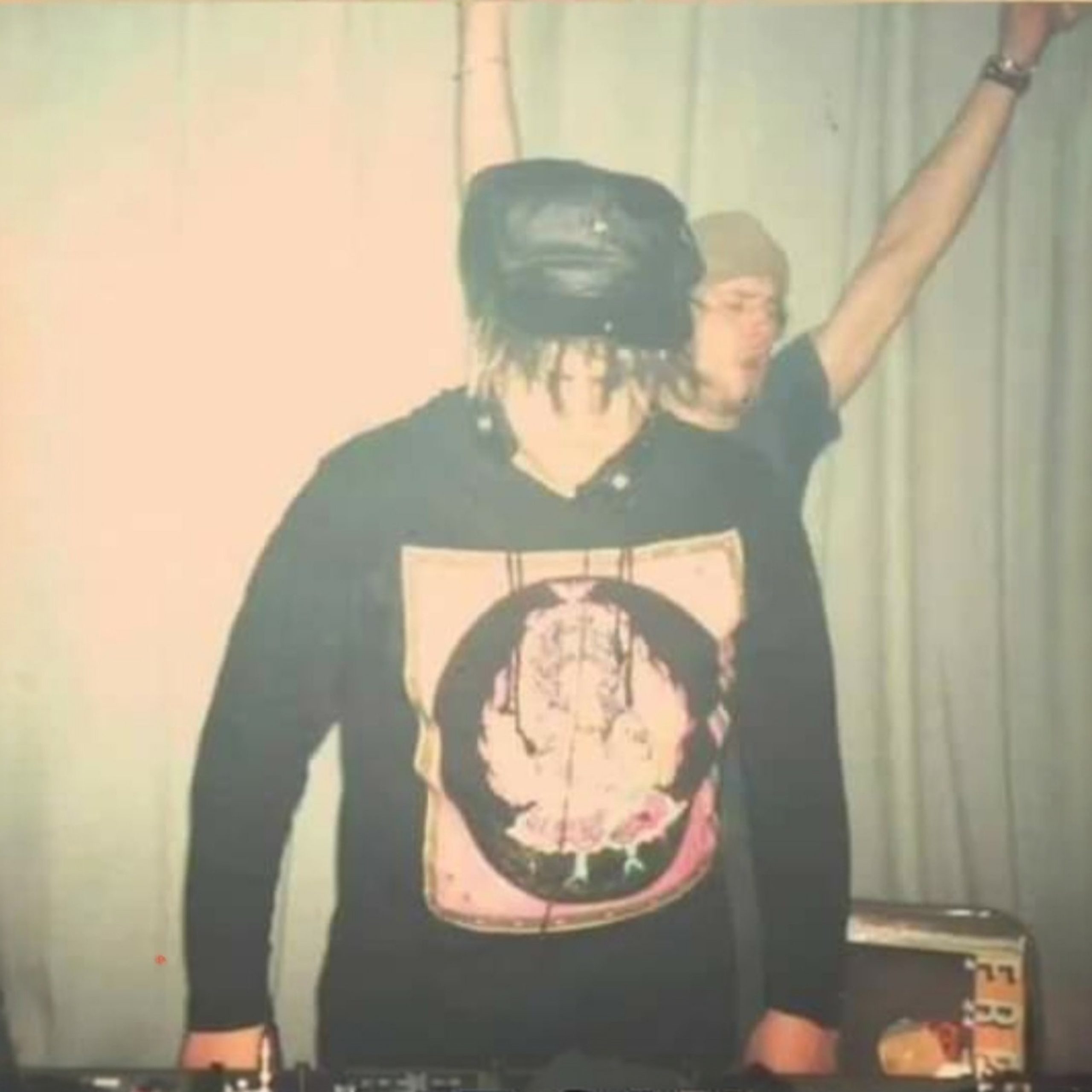
Your sound seems to have always moved across house, techno, disco, soul and funk. Was that a conscious philosophy from the start or did it develop naturally?
I was brought up on all kinds of music and I think it was a natural progression.
I was looking to create more of a vibe than one particular style of music. To me it’s all relevant to each other. I love Bass, Drums, Groove, and Feeling in the music.
I think that comes from playing 8-12hr sets. I’m pretty genre illiterate when it comes to styles really!
How did your residencies at clubs like More and touring with Deee-lite help you develop as a DJ? Which club or dance floor taught you the most…
More was a club that starts at 3am and would go to 9am. It was at a notorious gay club called The Probe. I learned a lot about keeping a crowd on the dancefloor at those hours. It’s a whole different science than a 12-3am set. I would slip in some disco records in there as well.
Touring with Deee-lite was on another level. I was used to playing 5-6 nights in SF and LA already. This was a different city every night. It taught me a ton about reading crowds. Back then, every city had a certain vibe they were accustomed to. It was a great feeling to go to different cities and win over the crowd. I absolutely loved touring with them and I’m forever grateful. I think when I started to play in places like New York and London, class was really in session.
When you dig and select records, what are you listening for and what qualities really make it for you?
I wish I knew fully what the method to my madness was.
I’m usually looking for the ‘imperfect’ perfect record. Something different that strikes a chord. Bass frequencies, an imperfect vocal, a drum pattern. Some of the best records I’ve heard were an artist’s first record ever. You could feel the passion that they put into their music.
I’m a sucker for a dirty groove: a Wild Pitch, Tribal groove or a Angel Moraes sounding record, they get me every time.
How has your relationship with music changed over the decades?
I don’t think that much. I’ve never taken a break from touring or producing.
I still love all of it. It’s more challenging to find those golden grooves, with the sheer amount of music coming out. They are out there though!
You decided to relocate to LA in the early 90s, which became your very own laboratory for your interpretation of dance music. How different was the approach in LA compared to what you’d been doing in San Francisco?
It was a different world in Los Angeles. A ton of warehouses to do parties in, and lots of afterhours clubs. When I came to LA, the warehouse scene leaned more towards European Techno and House. In San Francisco, it was more venue and club based.
I was coming in with music from New York, Chicago, Detroit as well as Europe. San Francisco was into House and Acid house. LA had Deep House DJ’s and afterhours as well. I was going back and forth between the two cities. The approach wasn’t that much different for me. I was able to find my own sound within the sounds. I also learned to mix on 3 decks.
What do you think gave the city its own distinct character, how would you compare it with other places such as New York, Chicago, Detroit or Philadelphia?
LA started doing bigger parties that would bring in DJ’s and acts from all over the world.
The word started to spread about the LA warehouse scene. I was fortunate to play with many international artists at the time. The thing about LA was that they always included and built on their local talent. We had URB magazine that started to circulate nationwide. People would see what was going on out here, and curiosity grew. I was on the cover of an early URB magazine, and that helped kick things off for myself.
Every city had its own sound and heroes. I quickly became friends with many of the heroes from other cities. New York, San Francisco, Philadelphia, Detroit, Tampa, Orlando, Dallas, Chicago, Denver, Portland and beyond. All of those places had super dope scenes as well. We had mutual respect for each other, and the scenes we were building.
How did rave culture shape the music and the community compared to the club environment?
I think just having the freedom to do outdoor events was super special.
San Francisco, Los Angeles, San Diego and beyond were doing events outdoors: we were on beaches, in the mountains, water parks and even Indian reservations. One of my greatest memories was taking a young Bjork to a mountain party with us. She put a lizard on the turntable of the record that I was playing: I’ll never forget that moment!
You founded Sublevel in 2000, what was there a gap you were trying to fill at the time?
I had just moved back from living in London.
I was a resident at Fabric and came back with all this great music. I really needed somewhere to play it, where I could create the atmosphere I wanted. I took what I had learned from the best experiences I’d had over there. Little lights and very good sound. We were able to go and do lofts, warehouses, churches, movie theatres, movie sets etc. We were able to bring in guests from all over the world, while giving locals a chance to shine. We started the Sublevel record label as well.
You’ve remained active in the booth, on wax and behind the scenes rather than leaning into a legacy status, how do you keep yourself moving forward?
I still love all of it. I really love playing out and experiencing different cultures.
I still make music and put out releases pretty regularly. I’ve just had an EP come out with Homero Espinosa on Rekids for Radio Slave. There’s an old classic of mine called LOVE getting remixed by D’Julz, Lawnchair Generals, Homero Espinosa and Myself.
Not to mention a bunch of remixes I’ve done for Roland Clarke along with my recent contribution to JonPaul and Mettā Atom’s ‘Revolution/Never Let Go’ featuring vocalists Clara Stegall and Jade M.
I told myself if I ever get complacent, it’s time to get out.
What’s your assessment of the current underground scene – what excites you and what concerns you?
I love that there are people in every city that are in it for the right reasons. I’ve come across a ton of good people as of late. But, the balance seems to be off at the moment, between big corporate entities and homegrown events. Homegrown events need to thrive as well, as this is where the connection takes place.
What would your advice be to younger DJs coming up today?
For better, or worse, always be yourself. Always have your personality show through your music. Keep that ego in check. There will be a lot of ups and downs. How you navigate those will say a lot about you as a person.
If you could go back and change one decision you made over the years, what would it be?
I was very trusting in the beginning, and thought we were in it for all the right reasons. I wouldn’t have worked with some of the promoters that I did. All were learning experiences though.